Introduction
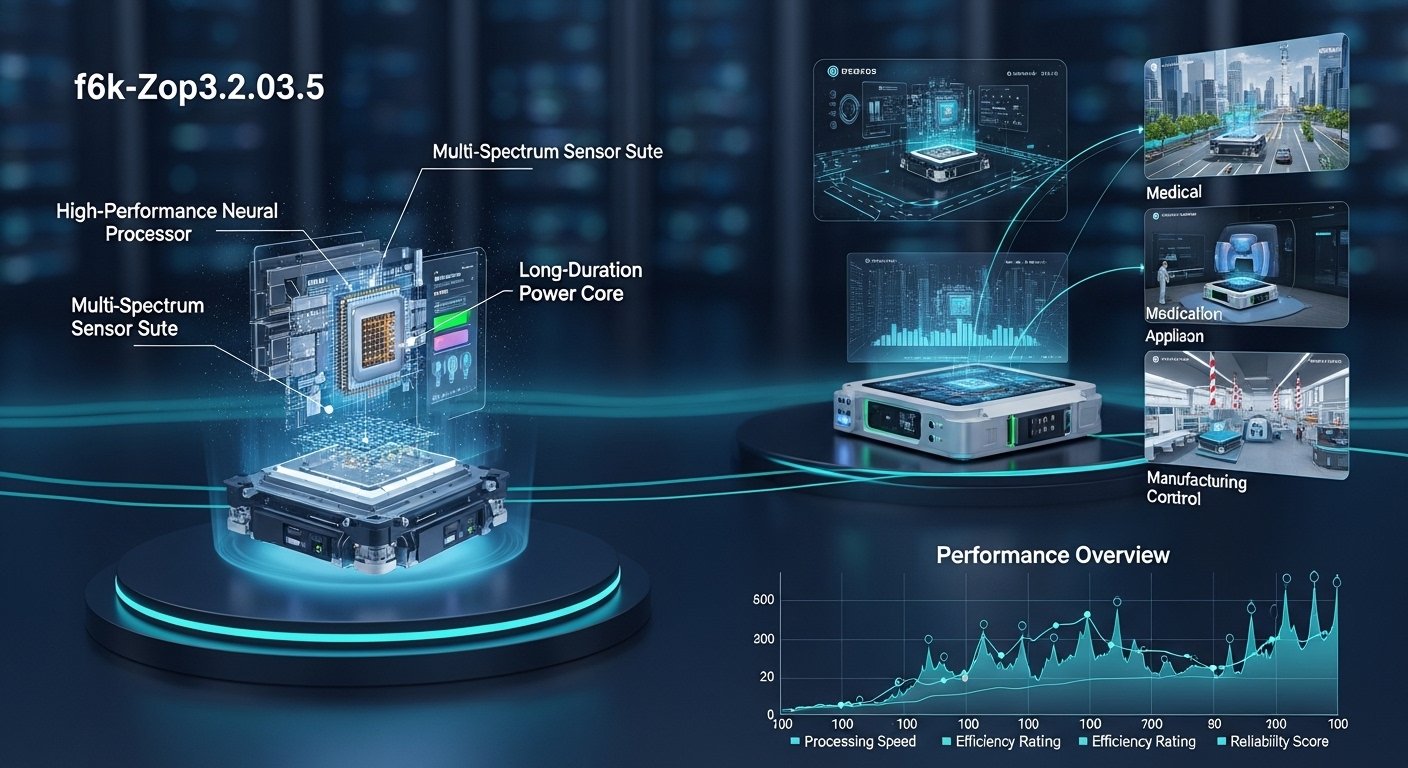
In the modern technology landscape, new models and systems are constantly introduced to improve performance, efficiency, and reliability. One such emerging concept is the f6k-zop3.2.03.5 model, which has started gaining attention in discussions about advanced systems and digital frameworks. The f6k-zop3.2.03.5 model represents a structured approach designed to optimize processes, integrate complex components, and deliver more accurate results in technical environments. Although it may appear like a coded identifier at first glance, this model reflects a structured configuration used in specialized technological systems. Understanding how this model works, its key features, and its potential applications can help professionals better appreciate its importance in modern development environments.
Understanding the Structure of the f6k-zop3.2.03.5 model
The f6k-zop3.2.03.5 model follows a structured naming format that usually indicates different layers or versions of a technical system. Each part of the name often reflects a specific configuration element, version stage, or framework classification.
In many technology-driven industries, such naming patterns help engineers track updates and compatibility levels. The f6k-zop3.2.03.5 model typically represents a refined version of an earlier configuration, meaning improvements have been made to stability, integration capabilities, and overall performance. These structured model identifiers make it easier for developers to identify system architecture and ensure that updates are applied correctly.
Key Features of the f6k-zop3.2.03.5 model
Several characteristics make the f6k-zop3.2.03.5 model noteworthy in technical discussions.
Advanced System Compatibility
One of the major strengths of the f6k-zop3.2.03.5 model is its ability to work smoothly with multiple system environments. Compatibility is crucial when integrating new technologies with existing infrastructures. This model is designed to reduce conflicts between modules and provide smoother data exchange.
Improved Performance Optimization
Performance optimization is another important feature associated with the f6k-zop3.2.03.5 model. It allows systems to process tasks more efficiently by refining internal operations and improving the way components communicate with each other.
Modular Design
The f6k-zop3.2.03.5 model also supports modular architecture. This means different components can be modified, upgraded, or replaced without disrupting the entire system. Such flexibility is especially valuable in complex development environments where constant upgrades are necessary.
Enhanced Data Handling
Data management has become a critical factor in modern digital systems. The f6k-zop3.2.03.5 model is often associated with enhanced data processing methods that allow systems to handle large datasets while maintaining speed and accuracy.
Practical Applications of the f6k-zop3.2.03.5 model
The f6k-zop3.2.03.5 model can be applied across various industries that rely on sophisticated technical frameworks.
Software Development
In software engineering, structured models like the f6k-zop3.2.03.5 model help developers organize their systems efficiently. It can serve as a reference configuration for building scalable applications, ensuring that different modules work together without compatibility issues.
Data Management Systems
Organizations handling large volumes of information may implement frameworks inspired by the f6k-zop3.2.03.5 model to improve how data flows through their systems. Such structures enable better indexing, faster retrieval, and improved data reliability.
Automation and Digital Infrastructure
Automation systems require stable frameworks to maintain continuous operations. The f6k-zop3.2.03.5 model offers a structured approach that supports automated workflows, reducing the risk of system interruptions.
Advantages of Using the f6k-zop3.2.03.5 model
There are several reasons why professionals might consider adopting systems based on the f6k-zop3.2.03.5 model.
One significant advantage is scalability. As organizations grow and their technological requirements expand, models like the f6k-zop3.2.03.5 model allow systems to scale without requiring a complete redesign. This reduces costs and saves development time.
Another benefit is reliability. Systems designed with the f6k-zop3.2.03.5 model tend to maintain consistent performance because the architecture focuses on stability and controlled upgrades.
Security is also an important factor. A structured configuration makes it easier to implement security updates and maintain system integrity.
Future Potential of the f6k-zop3.2.03.5 model
Looking ahead, the f6k-zop3.2.03.5 model could become more relevant as technology continues to evolve. Businesses and developers increasingly rely on scalable frameworks that can support emerging technologies such as automation, data analytics, and integrated digital platforms.
The flexibility offered by the f6k-zop3.2.03.5 model means it can adapt to new requirements without losing efficiency. As organizations seek reliable structures for managing complex systems, models like this will likely play a larger role in technical development strategies.
Conclusion
The f6k-zop3.2.03.5 model represents a structured and adaptable framework designed to improve system efficiency, compatibility, and performance. With features such as modular architecture, optimized data handling, and scalable design, it offers practical value for developers and organizations working with complex technological environments. As digital systems continue to evolve, structured configurations like the f6k-zop3.2.03.5 model will remain important tools for building reliable and efficient infrastructures. Understanding its features and applications helps professionals make better decisions when designing or upgrading advanced systems.